When Indian households and commercial kitchens search for an everyday grain that cooks soft, smells gently floral, and stays light on the stomach, wada kolam rice stands out as the premier choice. Traditionally known across Maharashtra as zini rice or jhini rice, this prized short-to-medium grain non basmati rice balances daily affordability with comforting flavour. Unlike heavy long-grain varieties reserved for festive biryanis, authentic kolam rice is cultivated for daily meals, delivering a fluffy, non-sticky plate of varan bhaat, dal-chawal, or khichdi that remains tender even after cooling on a thali. Across wholesale and retail grain markets in India, buyers also recognize premium lots of this variety under regional trade names such as jai shree ram rice (JSR rice) and Zeera Kolam.
What Is Wada Kolam Rice? Origin, Palghar GI Tag & Zini Rice Heritage
To answer the foundational search query, what is wada kolam rice, it is an indigenous, medium-short grain non basmati rice grown for centuries in the Wada taluka of Maharashtra’s Palghar district. In October 2021, the variety received the official Geographical Indication (GI) tag, safeguarding its regional authenticity and farmer heritage. Locally cherished as zini rice or jhini rice, this traditional landrace is cultivated by roughly 2,500 farmers across 180 villages in Wada tehsil.
Its signature pearly off-white tint, rounded medium grain, and gentle milky-sweet floral aroma stem directly from Palghar’s red lateritic soil and the mineral-rich waters of the Vaitarna, Pinjal, Surya, and Tansa rivers. Because traditional best farm wada kolam rice is a naturally low-yielding crop maturing over 130 to 135 days, genuine lots command strong domestic and export demand. In regional mandis and retail stores, naturally aged fine-grain grades are frequently sold as jai shree ram rice (JSR), Zeera Kolam, or Bullet Kolam.
Wada Kolam vs. Surti Kolam, Lachkari & Sona Masoori
Many shoppers confuse kolam rice with Basmati or struggle to compare regional everyday grains. While Basmati is a high-amylose long grain engineered for dry separation in biryanis, wada kolam rice contains 13% to 20% amylose starch, giving it a softer bite and light surface starch that helps dals and gravies cling to the grain.
| Rice Variety | Origin Belt | Grain Shape & Aroma | Cooked Texture | Best Culinary Use |
| Wada Kolam (Zini / JSR) | Wada, Palghar (Maharashtra) | Medium-short, slightly rounded; light floral-milky scent | Soft with body; fluffy and non-sticky when aged | Daily varan bhaat, dal-chawal, khichdi, simple pulao |
| Surti Kolam | Surat & South Gujarat | Small, neat medium-short grain; very mild neutral aroma | Soft and light; stays tender on a cooling thali | Everyday dal-chawal, kadhi-chawal, curd rice |
| Lachkari Kolam | Gujarat & Maharashtra | Finer, thinner, and slender; clean mild floral note | Lighter finish; grains remain distinct under spices | Masale bhat, vangi bhat, jeera-tempered rice |
| Sona Masoori | Andhra, Telangana & Karnataka | Medium slender grain; earthy neutral fragrance | Light and airy; slightly drier than Wada Kolam | South Indian sambar rice, pongal, fried rice |
Top Wada Kolam Rice Benefits & Nutritional Value (Per 100g)
Exploring verified wada kolam rice benefits reveals why nutritionists and families prefer this grain for children, seniors, and daily meals.
1. Gentle Digestibility and Soft Starch Structure
Because the grain is compact with a soft starch structure (13% to 16% amylose in standard milled rice and up to 20% in aged raw grades), it digests rapidly without causing bloating or heaviness. When naturally aged for 12 months, the grains double in volume upon boiling while remaining light on sensitive stomachs. For blood sugar management, dietitians advise pairing controlled portions with fiber-rich vegetables, lentil dal, and a spoonful of ghee.
2. Complete Nutritional Profile & Traditional Uses
Per 100 grams of uncooked rice, authentic wada kolam rice delivers 350 kcal of energy, 78 g of carbohydrates, 7 g to 8.4 g of protein, 0.7 g of fat, and 0.6 g to 1.2 g of dietary fiber while being 100% gluten-free and cholesterol-free. Beyond steamed meals, Maharashtrian households grind zini rice into fine flour for traditional Bhakari flatbreads, steamed Modak, and festive Anarsa pastries.
How to Cook Non-Sticky Wada Kolam Rice: Exact Water Ratios
The biggest mistake cooks make with kolam rice is applying Basmati soaking habits. Because medium-short grains absorb water fast, soaking for 30 minutes or longer breaks down the outer starch and causes clumping. Follow this mill-verified kitchen guide for fluffy results:
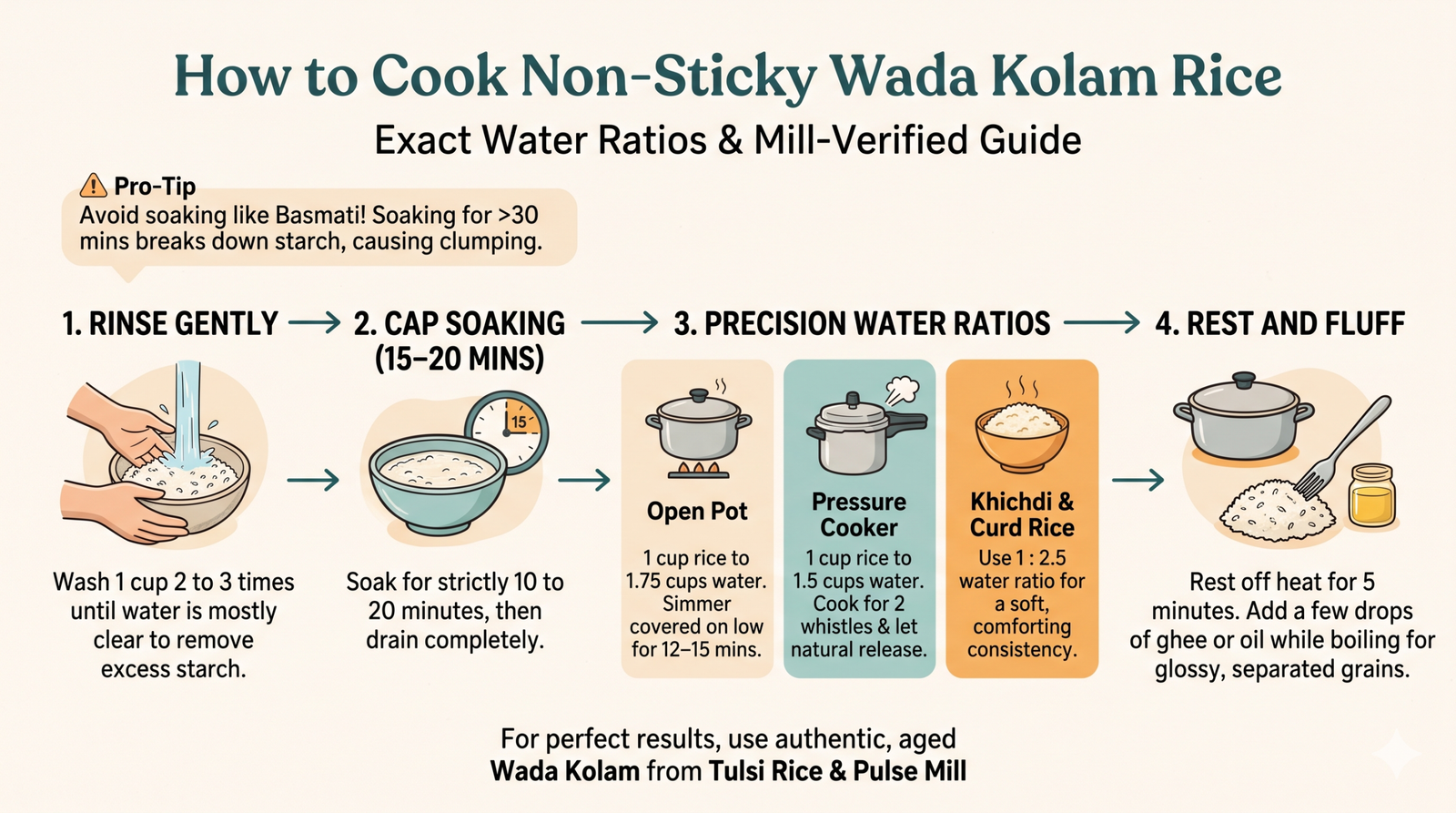
- Rinse Gently: Wash 1 cup of rice 2 to 3 times until the water runs mostly clear to remove excess surface starch.
- Cap Soaking at 15–20 Minutes: Soak for strictly 10 to 20 minutes, then drain completely.
- Use Precision Water Ratios:
- Open Pot: Use 1 cup rice to 1.75 cups water; cover and simmer on low heat for 12 to 15 minutes.
- Pressure Cooker: Use 1 cup rice to 1.5 cups water for 2 whistles, followed by natural pressure release.
- Khichdi or Curd Rice: Use 1:2.5 water for a soft, comforting consistency.
- Rest and Fluff: Rest the covered pot off the heat for 5 minutes and add a few drops of ghee or oil while boiling for glossy grain separation.
Wada Kolam Rice Price & Wada Kolam Rice Wholesale Price Guide
Whether you are purchasing a family pack or procuring bulk inventory for retail, HoReCa, or export, comparing the Wada Kolam rice price across channels ensures true value.
Retail vs. Bulk Wholesale Pricing Tiers
On quick-commerce apps and supermarkets, standard retail packs (usually sold in small 1 kg to 5 kg bags) command everyday consumer prices, while specialty semi-polished or organic farm-sourced varieties are positioned at the premium end of the retail spectrum. In contrast, the bulk Wada Kolam Rice Wholesale Price, primarily available in traditional 30 kg trade bags and large 50 kg bulk PP sacks, features heavily discounted tier-based pricing. This wholesale pricing is highly dynamic and depends on factors such as natural ageing duration, the precise broken grain percentage, and whether the processing method is raw, steam, or parboiled. Please contact us directly for current market rates.
How to Identify the Best Farm Wada Kolam Rice
Before buying in bulk, verify three milling benchmarks that define the best farm wada kolam rice:
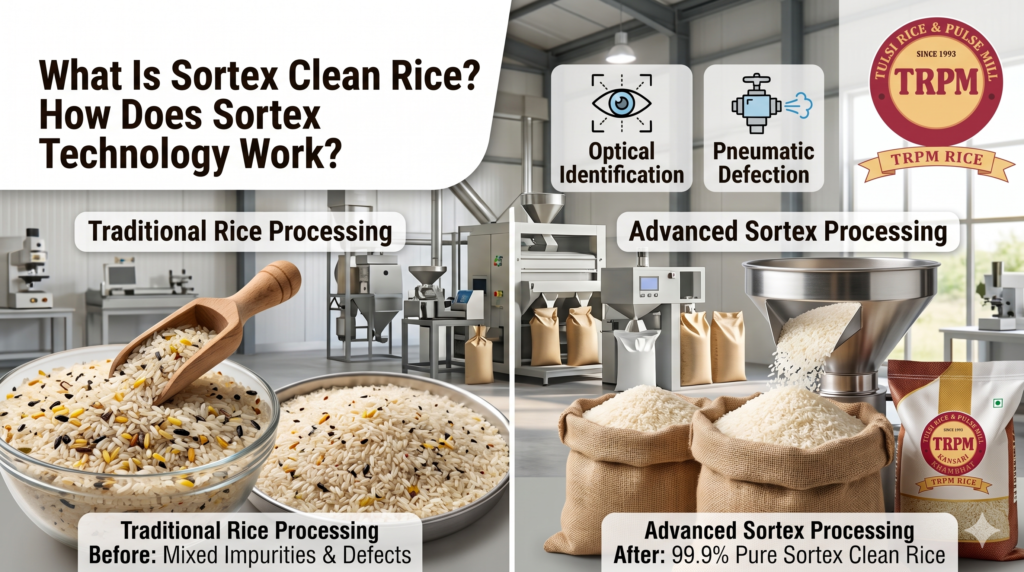
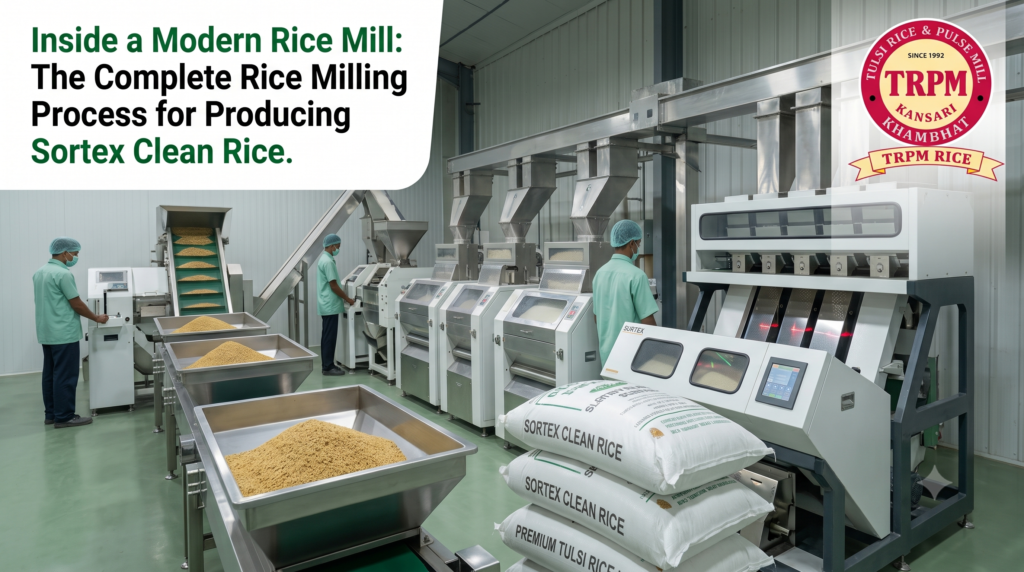
- Double Sortex Cleanliness: Optical color sorters eliminate chalky, immature, and discolored grains for 99.95% purity.
- Under 2% Broken Grains: Full-length grading prevents cheap Dubar or Kanki broken fragments from ruining cooking texture.
- Below 13% Moisture: Proper drying and 12-month natural ageing prevent warehouse spoilage and ensure double volume expansion when cooked.
Conclusion: Source Authentic Double Sortex Wada Kolam Rice
From its October 2021 Palghar GI tag as heritage zini rice to its gentle digestibility and floral aroma, wada kolam rice is the ultimate everyday staple for Indian kitchens. By pairing naturally aged, Double Sortex grain with a 15-minute soak and a 1:1.5 to 1:1.75 water ratio, you achieve soft, non-sticky perfection in every pot. Whether you need 5 kg retail pouches, 30 kg trade bags, or 50 kg bulk wholesale and private-label supply, connect with Tulsi Rice & Pulse Mill, an APEDA-registered rice manufacturer and exporter in Gujarat with 35+ years of milling excellence and 1,000+ direct farm partners.
FAQs Related to Wada Kolam Rice
Q1. What is Wada Kolam rice and why is it famous?
A. Wada Kolam rice (locally known as zini rice or jhini rice) is a GI-tagged, medium-short grain non basmati rice native to Wada taluka in Maharashtra’s Palghar district. Awarded its Geographical Indication tag in October 2021, it is famous for its pearly off-white grain, light floral-milky aroma, easy digestibility, and soft, non-sticky texture ideal for everyday meals.
Q2. Is Wada Kolam rice the same as Jai Shree Ram (JSR) rice?
A. In Indian wholesale and retail grain markets, premium naturally aged lots of wada kolam rice are frequently traded under commercial names such as jai shree ram rice (JSR rice), Zeera Kolam, and Bullet Kolam. Buyers should always check the grain specifications, specifically medium-rounded length, natural ageing, and below 13% moisture, when purchasing.
Q3. What is the ideal water-to-rice ratio for cooking Wada Kolam rice?
A. To cook fluffy, non-sticky wada kolam rice, rinse 2 to 3 times, soak for only 10 to 20 minutes, and use 1 cup rice to 1.75 cups water in an open pot (simmered 12–15 minutes) or 1 cup rice to 1.5 cups water in a pressure cooker for 2 whistles. Avoid soaking beyond 30 minutes, which causes the soft starch to clump.
Q4. What is the difference between Wada Kolam and Surti Kolam rice?
A. Both belong to the western Indian kolam rice family, but wada kolam rice originates from Maharashtra and features a slightly plumper medium-short grain with a gentle floral-milky aroma. Surti Kolam is associated with Gujarat and has a smaller, neat grain with a very neutral scent.
Q5. Is Wada Kolam rice good for weight loss and diabetics?
A. Because wada kolam rice is low in fat (0.7 g per 100 g), cholesterol-free, and features a soft starch structure (13%–20% amylose), it is light on the stomach and suitable for controlled weight-loss diets. Since white rice has a moderate glycemic index, diabetic individuals should consume it in measured portions paired with lentil dal, vegetables, and ghee.
Q6. How do I identify original, best farm Wada Kolam rice?
A. Original best farm wada kolam rice has a natural pearly off-white or creamy tint rather than a chalky white appearance. When naturally aged for 12 months and Double Sortex cleaned, the grains have less than 2% broken content, release a mild floral scent on boiling, and double in volume without turning pasty.